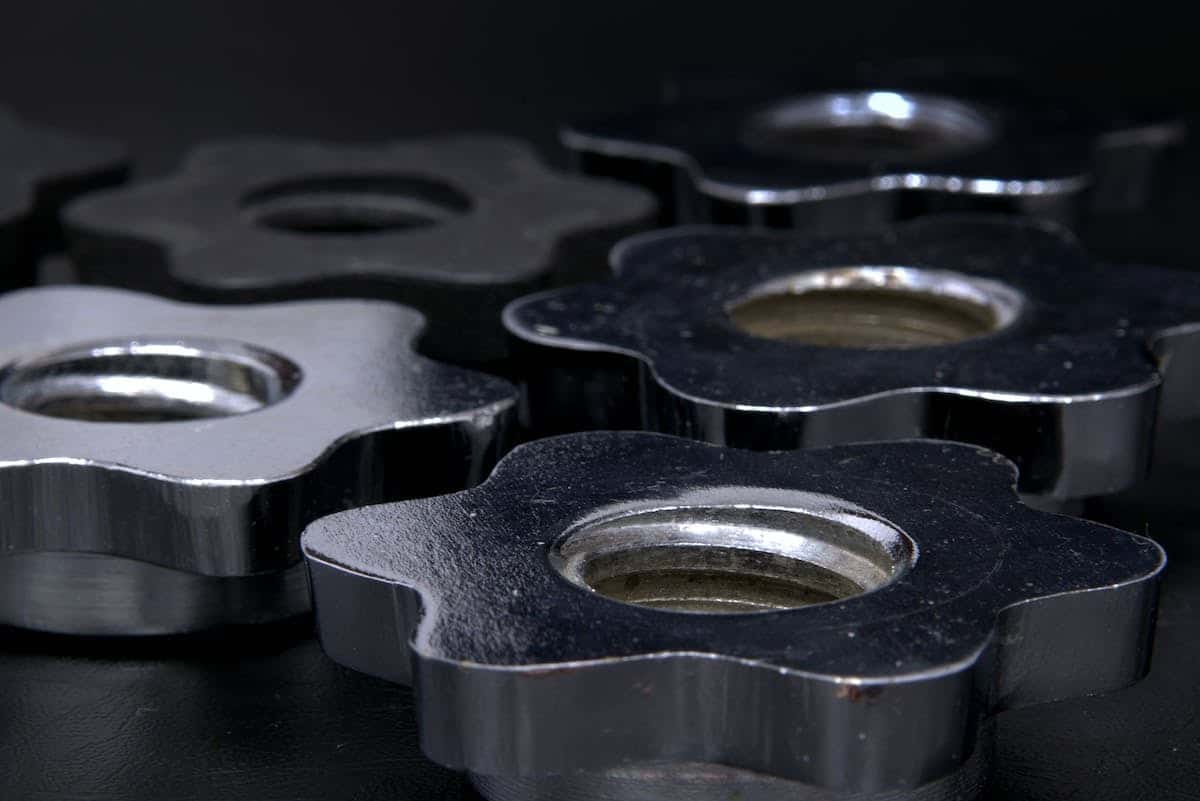
In the world of interior decoration, stainless steel has distinguished itself through its durability and aesthetics. However, identifying it remains a challenge for many. It is crucial to distinguish between the different types of stainless steel to optimize their implementation in your living space. This distinction is often based on the nickel and chromium content. These nuances influence not only the cost but also the corrosion resistance and ease of handling. By diving deeper into this universe, you will be better equipped to make an informed choice and make the most of this durable and versatile material.
Stainless Steel: A Palette of Shades to Enhance Your Interior Decoration
Stainless steel is a material of choice in the world of interior decoration, valued for its shine and durability. However, there are several shades of stainless steel whose quality varies significantly. So, ‘how to recognize stainless steel’ among these multiple variations?
First, one of the simplest ways to identify this metal is the magnetic test. Indeed, certain types of stainless steel, such as austenitic steel, are not magnetic, while others like ferritic or martensitic steels are attracted to a magnet. Thus, depending on its behavior in the presence of a magnet, you can get a first idea of the type of stainless steel in front of you.
Next comes the visual examination: a piece made of stainless steel generally has a raw and matte surface when newly manufactured but can also be polished to achieve a shiny appearance. The appearance of rust on your item could indicate that it is rather a lower grade with less corrosion resistance.
That said, nothing truly replaces professional expertise when it comes to knowing ‘how to recognize stainless steel’. A chemical analysis conducted by specialists will undoubtedly allow for precise identification of the specific type concerned.
If despite all this it remains complicated • rest assured! Kits specifically designed to identify the different shades of this alloy are available on the market to make this task as simple as possible!
In summary, recognizing stainless steel is not just a matter of superficial visual examination. It is also and above all about understanding its intrinsic properties to make an informed choice regarding interior decoration. So, the next time you observe a piece of stainless steel, remember the tips mentioned above • they might prove useful!
The Advantages of Stainless Steel in Decoration: Resistance and Elegance on the Agenda
Stainless steel possesses numerous properties that make it an ideal material for interior decoration. Its corrosion resistance is one of its most appreciated characteristics. Indeed, thanks to its specific composition, particularly the presence of chromium, stainless steel forms a passive layer that protects it against external aggressions such as moisture or chemicals. This means it does not rust and retains its aesthetic appearance over time.
In addition to its corrosion resistance, stainless steel also offers great mechanical strength. It can support significant loads without deforming or breaking, making it a wise choice for structural or decorative elements such as railings, staircases, or even light fixtures.
Another major advantage of stainless steel is its ease of maintenance. Unlike some other materials used in interior decoration, such as wood or glass, it does not require much effort to be cleaned and kept in impeccable condition. A simple wipe with a soft sponge and mild soap is usually enough to restore its shine.
The modern and elegant aesthetic of stainless steel greatly contributes to its appeal in contemporary interior decoration. Its shiny surface adds a sophisticated touch to spaces and easily complements various decoration styles. Whether in a kitchen, bathroom, or living room, stainless steel brings a touch of refinement and modernity to any space.
It should be noted that stainless steel is an environmentally friendly material. It is 100% recyclable and can be used to manufacture other products made of stainless steel. By choosing decorative elements made of stainless steel, you are thus helping to reduce your carbon footprint and promote a circular economy.
The use of stainless steel in interior decoration presents numerous advantages. Its corrosion resistance, strength, ease of maintenance, and modern aesthetic make it a wise choice for enhancing your indoor spaces. Its ecological nature makes it a sustainable and responsible option from an environmental standpoint.
How to Recognize Stainless Steel: Criteria to Consider
To choose the right type of stainless steel for your interior decoration, it is important to know the identification criteria that allow you to distinguish between the different shades. Here are some elements to consider:
One of the main identification criteria for stainless steel is its chemical composition. Different alloys are used to achieve specific characteristics. Chromium, present in all types of stainless steel, provides corrosion resistance. Other elements such as nickel, molybdenum, or titanium may be added to enhance certain aspects like acid resistance or weldability.
The surface finish is another important parameter when it comes to identifying stainless steel. There are several options available such as shiny finish (polished), matte, or brushed. Each has its own particularities and can be chosen based on the desired style and intended use.
Mechanical strength varies among the different types of stainless steel. It can be expressed in terms of yield strength, which is the maximum stress a material can withstand without permanent deformation, or in terms of maximum load before failure. This will be particularly useful when stainless steel is used for structural or support elements such as beams, columns, or shelves.
Some types of stainless steel are particularly suited for hot environments. They maintain their mechanical strength and dimensional stability even at high temperatures. This can be a decisive criterion if you plan to use stainless steel in a professional kitchen or near a fireplace, for example.
When purchasing stainless steel, ensure that it meets the specific standards in force, such as ASTM (American Society for Testing and Materials) or EN (European Norm). These standards guarantee the quality of the material as well as its performance according to recognized international standards.
Knowing these identification criteria is essential to make the right choice in terms of stainless steel. The chemical composition, surface finish, mechanical and thermal resistance, as well as compliance with standards must all be taken into account to select the appropriate type that will perfectly meet your needs and aesthetic requirements while ensuring durability and longevity for your interior decoration.
Quality of Stainless Steel: Methods to Judge It
The methods for determining the quality of stainless steel are essential to ensure that you obtain a reliable and durable material. Here are some commonly used techniques:
Spectrometric analysis: This method involves measuring the different concentrations of elements in the stainless steel sample. Through precise analysis, it is possible to accurately determine the type and chemical composition of the steel.
Corrosion resistance test: Corrosion resistance is one of the main characteristics of stainless steel. Specific tests can evaluate this property by exposing the sample to corrosive environments such as salt, acids, or aggressive chemicals.
Non-destructive testing: This technique allows for a visual check to see if the sample has any structural defects such as cracks, pores, or imperfections that could weaken its mechanical strength.
Measurement of thermal expansion coefficient: When subjected to temperature variations, each type of stainless steel has its own thermal expansion coefficient. By measuring this parameter, it is possible to predict its behavior in response to climatic changes or applications requiring dimensional stability.
Magnetic test: Some types of ferrous alloys used in certain stainless steels can be detected by a simple magnetic test. This can help distinguish different types of stainless steel and verify if the sample meets the required specifications.
You should note that these methods often require specialized equipment or the intervention of a qualified professional.
Avoid Mistakes: Pitfalls to Avoid When Identifying Stainless Steel
When identifying stainless steel, you need to consider several outcomes. Here are some to keep in mind:
• Relying solely on appearance: It may be tempting to base your determination of the nature of stainless steel solely on its visual aspect. This method is often insufficient as some stainless steels may have a similar appearance.
• Neglecting technical specifications: To obtain accurate information about a stainless steel sample, it is imperative to consult its technical specifications provided by the manufacturer or supplier. This information gives a clear idea of the type and characteristics of the steel.
• Using inappropriate methods: Each identification method has its own limitations and advantages. It is crucial to use the right techniques suited to the type of sample being analyzed to avoid any confusion or misinterpretation.
• Omitting complementary tests: When a sample seems to correspond to a particular type of stainless steel, it is wise to conduct additional tests to confirm this initial identification. The results will thus be more reliable and precise.
• Neglecting the required skills: The correct use of the various methods requires a certain level of expertise and knowledge regarding stainless steel. It is therefore advisable to consult a qualified professional to obtain reliable results.
By avoiding these common mistakes, you will be able to accurately identify the stainless steel used in your interior decoration, thus ensuring the durability and quality of your choices.
Choosing the Right Stainless Steel: Our Tips for Successful Interior Decoration
Selecting the right type of stainless steel for your interior decoration is a crucial aspect to ensure a sustainable and satisfying aesthetic. Here are some wise tips to guide you in this choice:
Consider the environment: Before choosing a type of stainless steel, assess the environmental conditions it will be exposed to. For example, if your interior decoration is in a humid room like a bathroom or kitchen, opt for corrosion-resistant steel.
Identify your specific needs: Determine what essential characteristics you are looking for in stainless steel. Do you want it to be easy to clean and stain-resistant? Or perhaps you prefer it to have a shiny finish? By clarifying your expectations, you will find the right material more easily.
Familiarize yourself with the different shades of stainless steel: There are several grades of stainless steel that correspond to specific uses. For example, grade 304 is versatile and suitable for many decorative applications, while grade 316 offers excellent corrosion resistance in aggressive environments.
Consider the desired style: Aesthetic also plays an important role in choosing stainless steel for your interior decoration. If you aim for a modern and industrial look, favor brushed or satin finishes that provide a contemporary appearance. For a more traditional atmosphere, polished finishes will be more appropriate.
Consult experts: If you have doubts or questions about choosing stainless steel for your interior decoration, do not hesitate to consult a qualified professional in the field. These specialists will be able to advise you based on your specific needs and guide you towards the best options available on the market.
By following these wise tips, you will be able to choose the right type of stainless steel for your interior decoration, thus combining aesthetics and durability. Take the necessary time to assess your needs and trust the experts when needed. Your interior environment will then reflect your refined taste while ensuring performance and longevity.