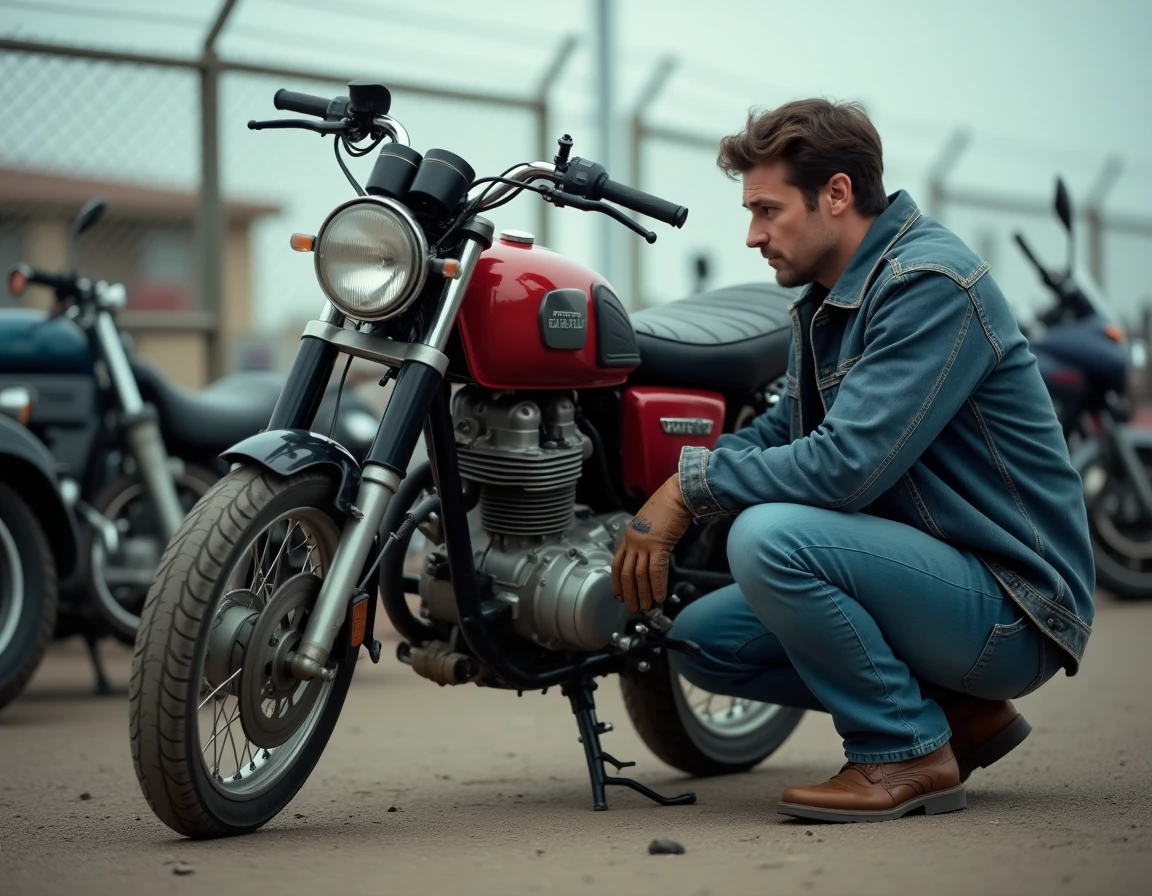
For less than 2000 euros, we are not looking for a track bike. We want a machine that starts in the morning, holds 130 on the highway without vibrating, and doesn’t cost half its price in maintenance each year. The real issue is the difference between a bike ready to ride and another that needs repairs, where the actual cost far exceeds the displayed price.
High-performance motorcycle under 2000 euros: real performance or performance to restore
In the budget used market, two types of motorcycles coexist. The first is the well-maintained machine, with honest mileage, a service record, decent tires, that rides as soon as the keys are handed over. The second is the motorcycle priced attractively but hiding a timing system that needs replacing, worn brake pads, or a patched-up electrical harness.
You can find a motorcycle for 1500€ on Team Auto Passion and assume that the remaining budget will cover the costs of getting it back on the road. This is a viable strategy, provided you have estimated these costs before the purchase.
A motorcycle priced at 1200 euros plus 800 euros for repairs costs more than a motorcycle priced at 1900 euros that is ready to ride. This is arithmetic that many first-time buyers discover too late. Before signing, check the condition of the chain, tires, brake discs, and ask for the date of the last oil change and brake fluid replacement.
Motorcycle maintenance costs for used bikes: the expenses that weigh down a small budget
The performance of a motorcycle under 2000 euros is not measured in horsepower. It is measured in cost per kilometer. A smooth and reliable engine that consumes little, combined with readily available and affordable spare parts, defines a good deal in this segment.
Key maintenance areas to closely monitor before any purchase:
- The timing system (chain or belt): on some twin-cylinder models, a replacement can represent several hundred euros at a workshop, which is a significant portion of the total motorcycle budget
- Tires: a complete set of decent quality easily costs one-tenth of the purchase price, and this is not a place to compromise for safety
- The chain kit (sprocket, secondary chain, chain) : often overlooked by sellers, it is a reliable indicator of the overall maintenance of the machine
- Brake consumables: pads and brake fluid are inexpensive to replace, but their condition at the time of purchase says a lot about the seriousness of the previous owner
Favoring a model with easily available parts radically changes the budget equation. Mass-produced Japanese models (Honda, Yamaha, Suzuki, Kawasaki) benefit from a very dense network of new and used parts, which is not the case for some European models or limited series.
Reliable motorcycle models under 2000 euros: the field choices that work
We won’t redo the list that all motorcycle sites already provide. The idea is to understand why certain models consistently appear in recommendations at this price point, and what that concretely implies.
The case of the versatile Japanese twin-cylinder
The Honda CB500 (models produced between the late 90s and mid-2000s) and the Kawasaki ER-5 dominate this segment for a simple reason: indestructible engine, basic maintenance, abundant parts. They are regularly found under the 2000 euro mark with reasonable mileage.
These motorcycles do not provide extreme sporty sensations. However, they handle the miles without complaint and are forgiving to beginner riders. The Suzuki GS500 also falls into this category, with a slightly rougher engine character but comparable robustness.
Roadster or faired: a choice that depends on use
A roadster like the Bandit 600 or XJ6 Diversion will be simpler to maintain visually (no fairing to replace in case of a fall). For mixed city and road use, it’s a pragmatic choice. The fairing protects against wind on the highway but is expensive to replace after a slide.
Feedback on the Bandit 600 regarding fuel consumption varies: some well-tuned examples remain reasonable, while others with a worn carburetor are more thirsty. The condition of the fuel system is a point of inspection not to be overlooked on carbureted models of this generation.
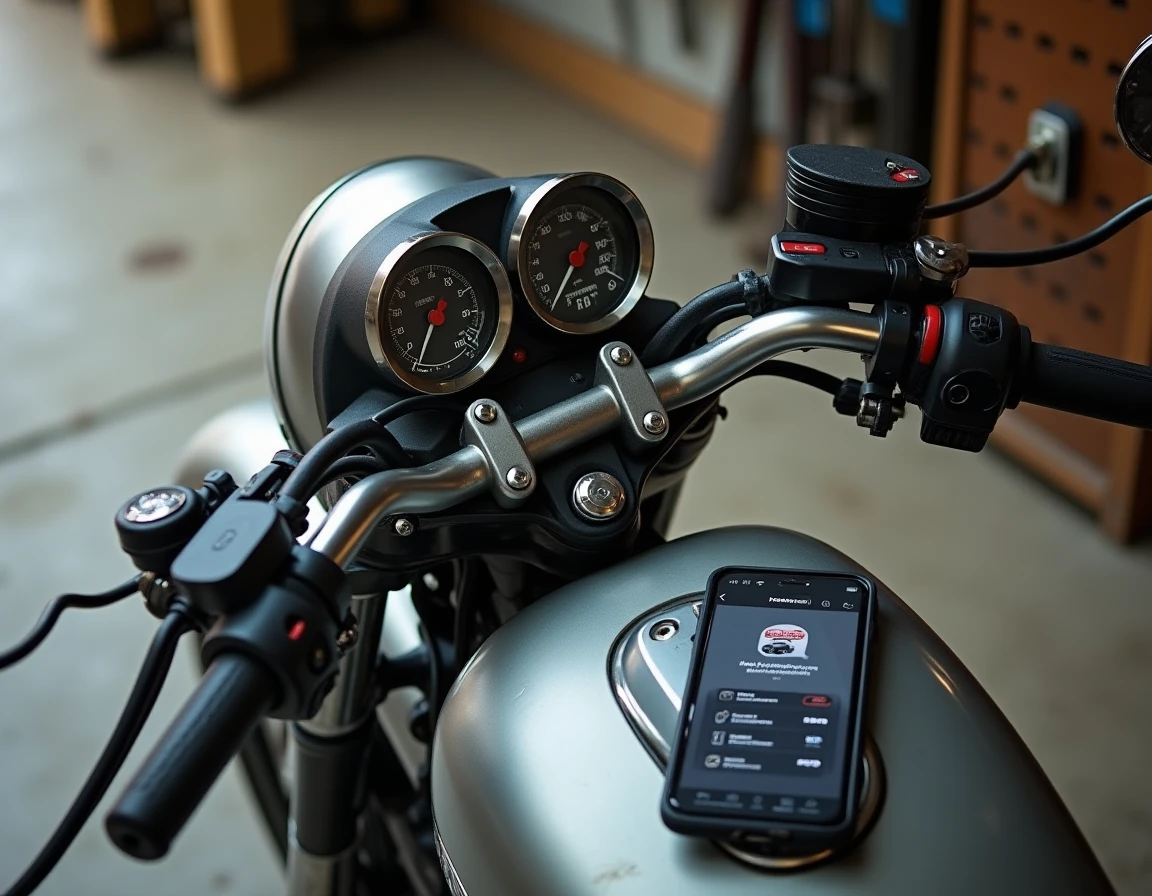
Inspection before purchasing a used motorcycle: checks that prevent regrets
You can read dozens of guides on the subject, but in practice, three checks are enough to eliminate the majority of bad deals.
The first: start the motorcycle cold. A seller who presents you with a warm machine may be hiding a starting problem, unstable idle, or suspicious smoke from the exhaust. Arrive early, and ask to turn the key yourself.
The second: check the steering head. With the motorcycle on a center stand (or held upright), turn the handlebars from stop to stop. A hard point, notch, or excessive play indicates a steering bearing that needs replacing, often due to a fall.
The third: the condition of the engine mounts and the rear loop. Cracks or weld marks on the frame are deal-breakers, regardless of the asking price.
- Always ask for maintenance invoices or, failing that, the name of the workshop that serviced the motorcycle
- Check the consistency between the displayed mileage and visible wear (seat, footpegs, controls)
- Consult the administrative situation report to ensure there are no liens or opposition
Buying a high-performance motorcycle for less than 2000 euros in 2024 is primarily about purchasing mechanical condition, not a model. Two identical examples of the same model, same year, same mileage can represent completely different realities. The time spent inspecting before the purchase is fully recovered in peace of mind and savings in the months that follow.