
When winter rolls out its white carpet on the roads, drivers face a fundamental dilemma: to choose winter tires or snow chains? This choice is crucial for safety and mobility. Winter tires, designed to provide optimized grip on ice and snow, present a practical solution for regular use in cold regions. Conversely, snow chains, although more cumbersome to install, can be seen as an invaluable asset for traversing particularly snowy areas or for occasional use.
Technical comparison: winter tires vs snow chains
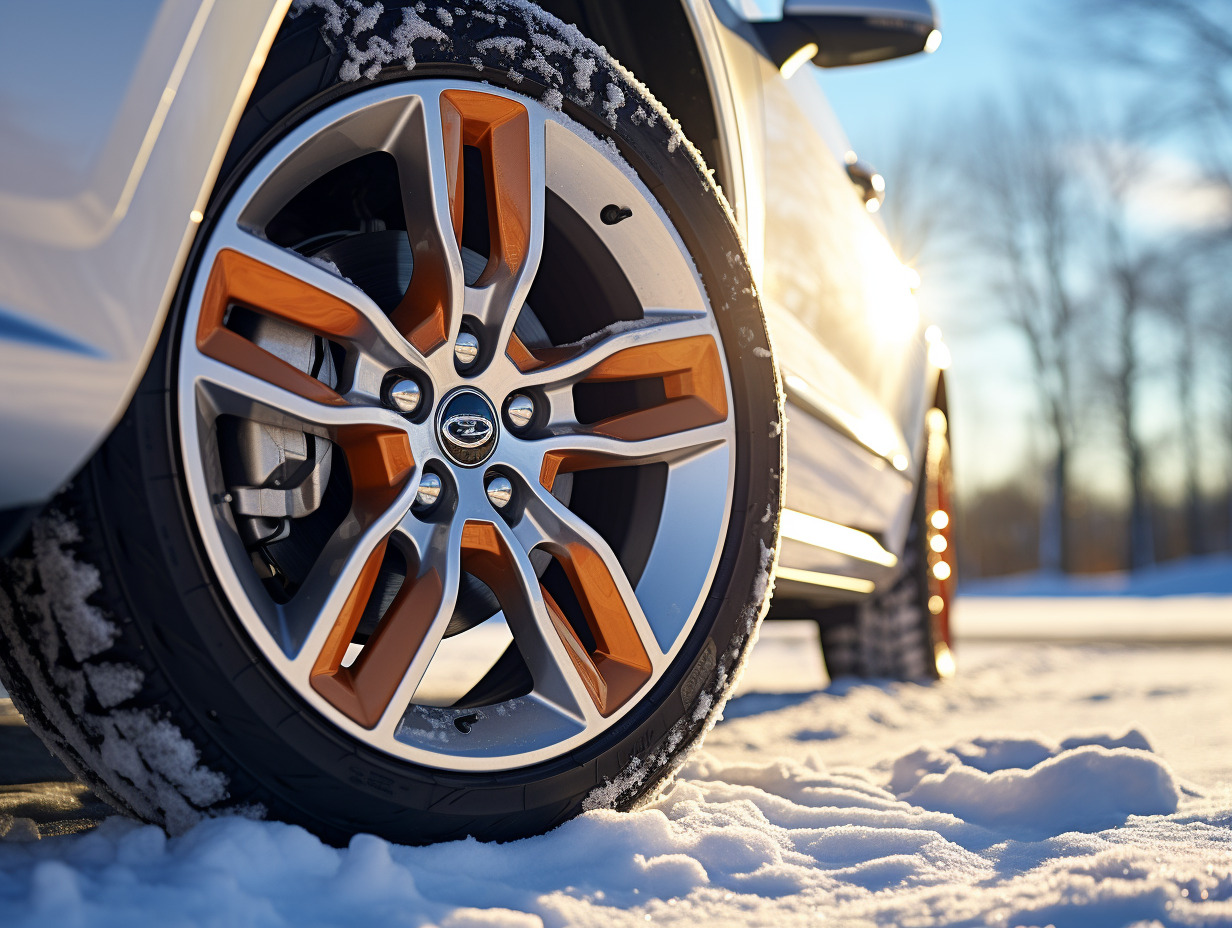
Winter use requires appropriate equipment to ensure optimal safety. The winter tire, specifically designed for winter driving, features a composition and structure that allow for better grip on wet or snowy roads. Its softer rubber remains effective even at temperatures below 7°C, where standard tires lose efficiency. This type of tire thus proves to be a wise choice for drivers who regularly face winter conditions.
Snow chains, on the other hand, are positioned as essential equipment for a car’s tires when traversing heavily snow-covered areas. Their ability to bite into the snow allows for travel on thick layers of snow, providing considerable traction where winter tires may fall short. They are indispensable in situations where the snow is compact and ice is predominant, thus maintaining the vehicle’s mobility.
The Use and differences between winter tires and snow chains therefore lie in the conditions of use and the frequency of winter situations encountered. Winter tires are more suited for frequent and varied use, while snow chains are recommended for extreme conditions and occasional use. Each driver must assess the relevance of this equipment based on their own needs and the weather conditions typically encountered on their routes.
Usage and legislation: when to use winter tires and snow chains?
In France, the legislation governing the use of winter tires and snow chains is primarily embodied in the Mountain Law. This law stipulates that, from November 1 to March 31, vehicles traveling in certain French departments must be equipped with winter tires or, at the very least, have snow chains on board. This measure concerns areas designated as mountainous regions, where severe winter weather conditions are common. The goal is to maximize driver safety by ensuring better grip on potentially slippery roads.
The equipment requirement may be indicated by the B26 sign, commonly encountered near high-risk areas. This sign informs road users that they are entering an area where snow chains are mandatory in case of snow or ice. The visibility of this sign serves as an immediate warning and compels the driver to equip their vehicle accordingly to continue their journey legally.
The decision to use winter tires or snow chains is therefore not solely a personal choice, but falls within a legal framework that demands vigilance and adequate preparation. Motorists must stay informed about the specific requirements for their route, especially during winter, to avoid perilous situations and potential penalties. Some departments may even impose additional regulations, making it necessary to check with local authorities before any travel in mountainous regions.