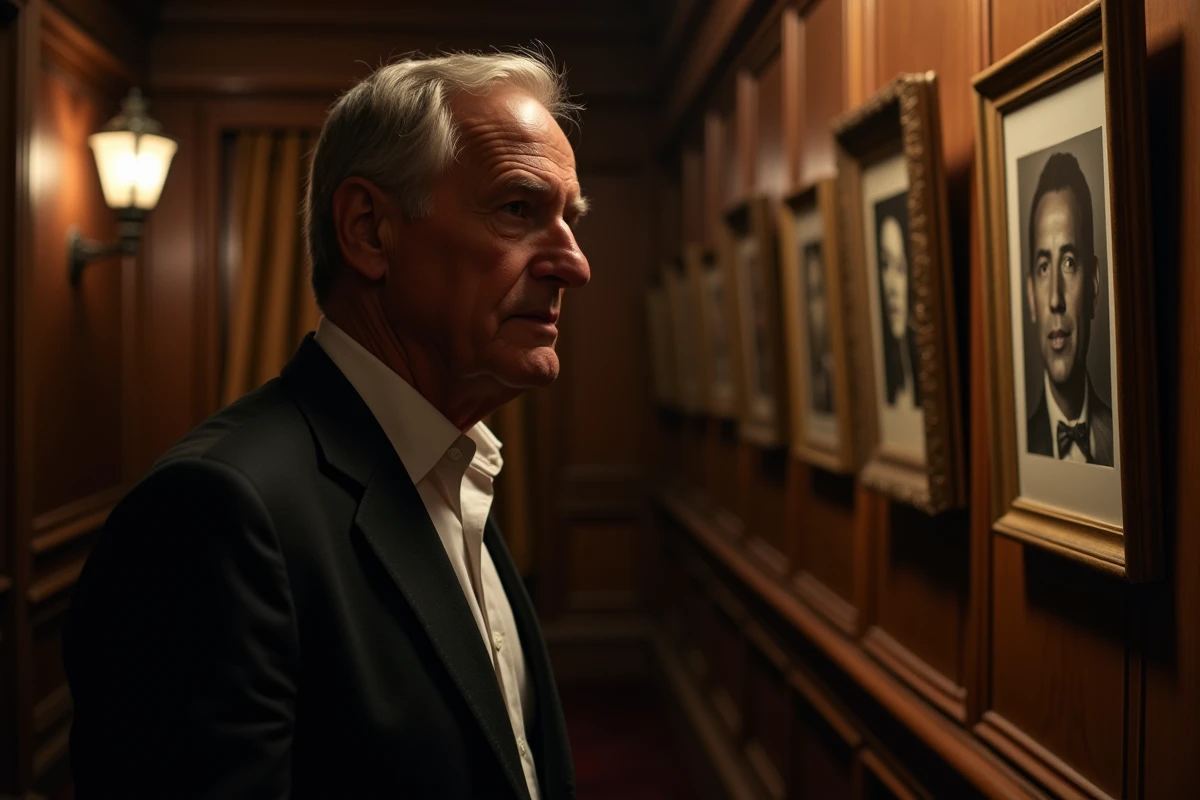
Yves Attal, born on November 25, 1948, in the 16th arrondissement of Paris, had a discreet yet influential career in the world of cinema and audiovisual production in France. A lawyer by training, he gradually turned towards the film industry before passing away at the age of 66, succumbing to a brain tumor. His journey raises a little-explored question: the extent of deliberate choice in his gradual withdrawal from public life.
Yves Attal producer: a legal profile at the service of cinema
Before turning to production, Yves Attal worked as a business law attorney in Paris. This initial career gave him a mastery of financial arrangements and contractual structures that later characterized his approach to cinema.
His transition to audiovisual production was not driven by a declared artistic vocation but by a logic of opportunities. Entertainment law in France serves as a natural bridge between law firms and production companies. Yves Attal crossed this bridge with a discretion that would become his hallmark.
To delve deeper into the stages of this trajectory, Yves Attal’s biography on Com 2 Net outlines the various phases of his professional and family life.
What distinguishes his approach is the constant refusal of media exposure. While other producers cultivate their public image to attract investors, Yves Attal built his projects behind the scenes. This stance fueled, after his death, the impression of an enigmatic figure.
Family life and legacy: the link with Gabriel Attal
Yves Attal is now primarily known to the general public as the father of Gabriel Attal, a prominent French politician. This lineage has brought to light a man who had carefully avoided the spotlight for decades.
The Attal family descends from a Judeo-Tunisian lineage settled in France. Yves Attal grew up in a cultured environment in the 16th arrondissement of Paris, an environment that shaped both his relationship with the law and his sensitivity to the arts.
Gabriel Attal has mentioned several times, in rare public confidences, the disappearance of his father. He notably referred to the brutal nature of this loss, which occurred while he was still young. These testimonies paint the portrait of a loving yet reserved man, not prone to public displays.
What Gabriel’s confidences reveal about his father
Gabriel Attal’s remarks on the subject remain measured. He speaks of a last significant exchange with his father, without detailing its content. This partial silence contributes to the fragmented nature of the public memory of Yves Attal.
The family has always maintained a clear boundary between private life and media exposure. This choice, shared by Yves Attal during his lifetime, partly explains why so few archives or interviews remain.
Yves Attal’s disappearance: illness or voluntary withdrawal from the spotlight
Yves Attal died from a brain tumor, a medically established fact. The illness was rapid and devastating. Gabriel Attal used the term “struck down” to describe the progression of his father’s condition.
This medical reality does not exhaust the question of Yves Attal’s gradual withdrawal from the public sphere. Long before the diagnosis, he had already significantly reduced his visibility. His last years of professional activity remain poorly documented, which fuels hypotheses about the nature of his occupations.
The hypothesis of a discreet commitment to film education
Several circumstantial elements suggest that Yves Attal may have directed his last years towards philanthropic activities related to film education and training. His profile, combining legal expertise and knowledge of the audiovisual field, corresponds to that of patrons who fund transmission programs without seeking public recognition.
This hypothesis remains difficult to confirm in the absence of direct sources. No foundation or educational structure bearing his name has been identified. The mystery may lie precisely in this absence of traces: a man who chose not to leave a public footprint in his later commitments.
- His legal expertise in business law predisposed him to structure educational projects without going through the usual media channels
- The French film production industry has several examples of figures who transitioned to educational patronage after an active career
- The complete absence of interviews or public statements in his last active years reinforces the idea of a deliberate withdrawal, predating the illness
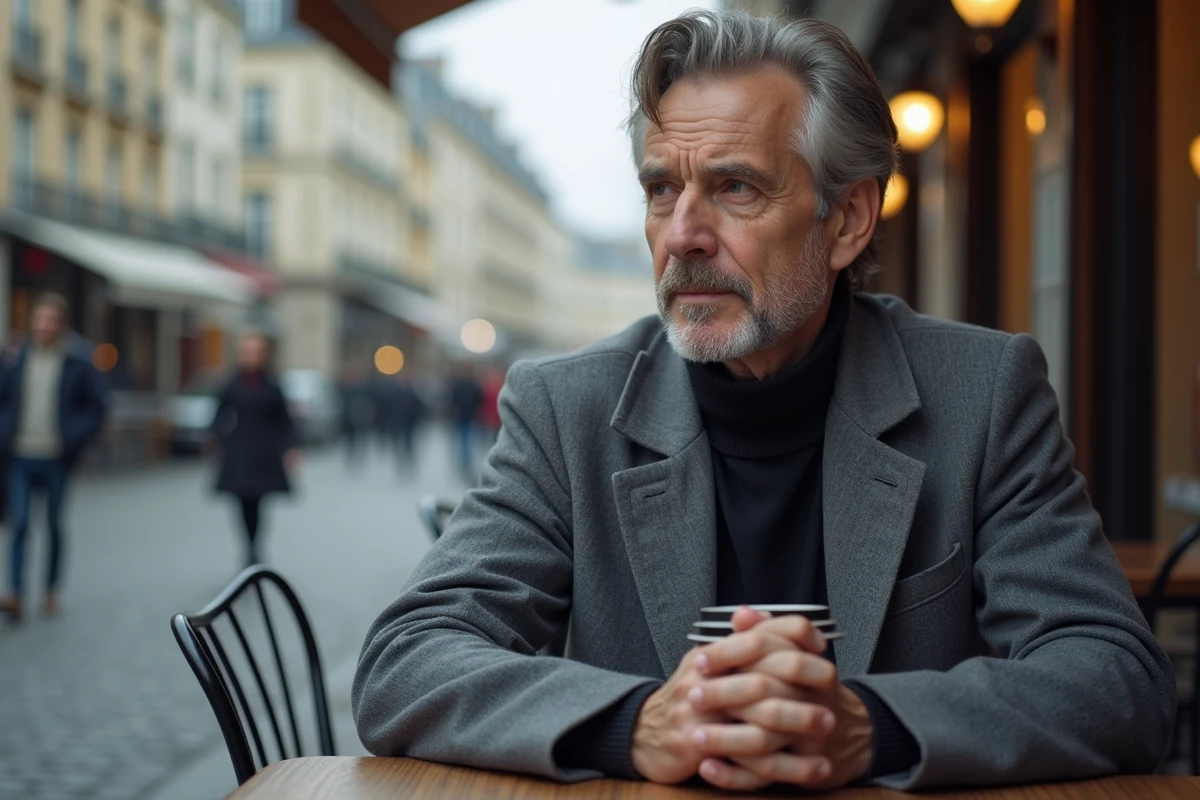
Yves Attal in collective memory: between oblivion and rediscovery
The posthumous notoriety of Yves Attal is paradoxical. It depends almost entirely on the political career of his son. Without Gabriel Attal’s rise, the name Yves Attal would likely have remained confined to a small circle of cinema and Parisian law professionals.
This phenomenon of rediscovery through lineage is not uncommon in French public life. It raises a broader question about how certain deliberately discreet professional paths end up being reinterpreted through the lens of the next generation.
The available sources on Yves Attal remain fragmentary. His Wikipedia page is noted as insufficiently sourced. The press articles concerning him are almost all published after Gabriel Attal’s rise in visibility, which skews the perspective.
The scarcity of direct testimonies and the absence of public archive funds make Yves Attal a figure whose journey is reconstructed more by deduction than by documentation. This opacity, whether the result of a personal choice or simply of an era when discretion was still possible, gives his trajectory a dimension that transcends mere biography.